Information
Landmark: Isla Santa CruzCity: Galapagos Islands
Country: Ecuador
Continent: South America
Isla Santa Cruz, Galapagos Islands, Ecuador, South America
Overview
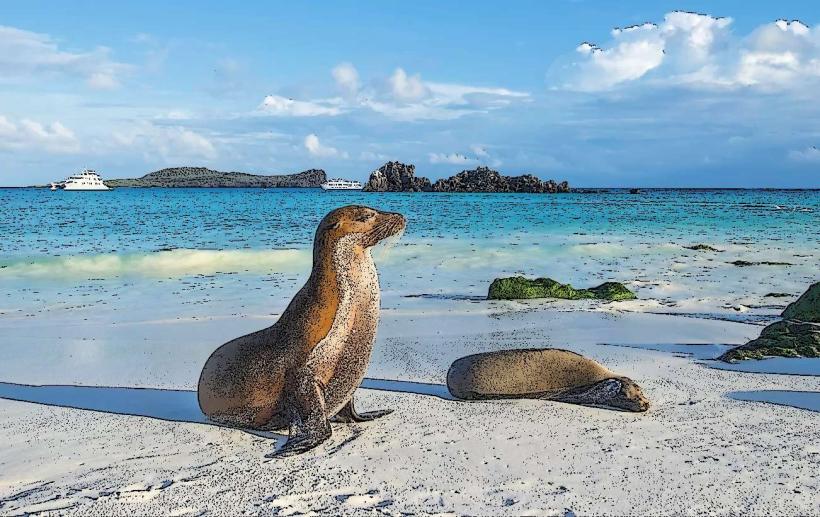
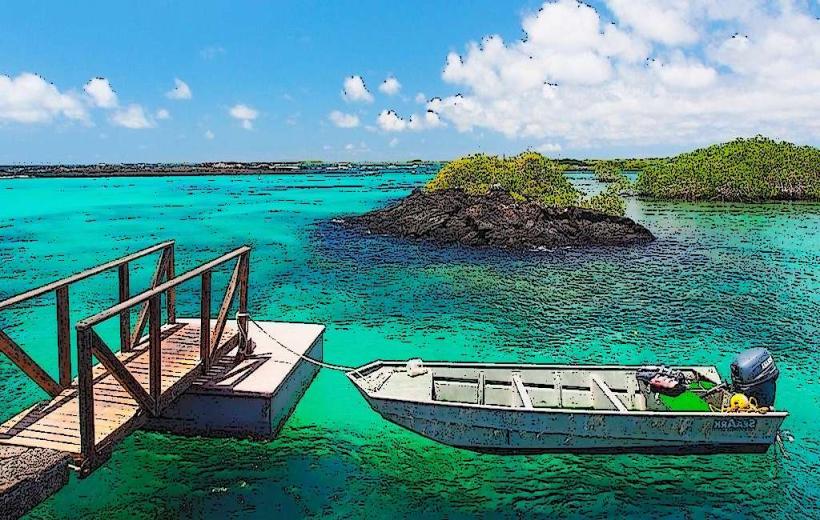
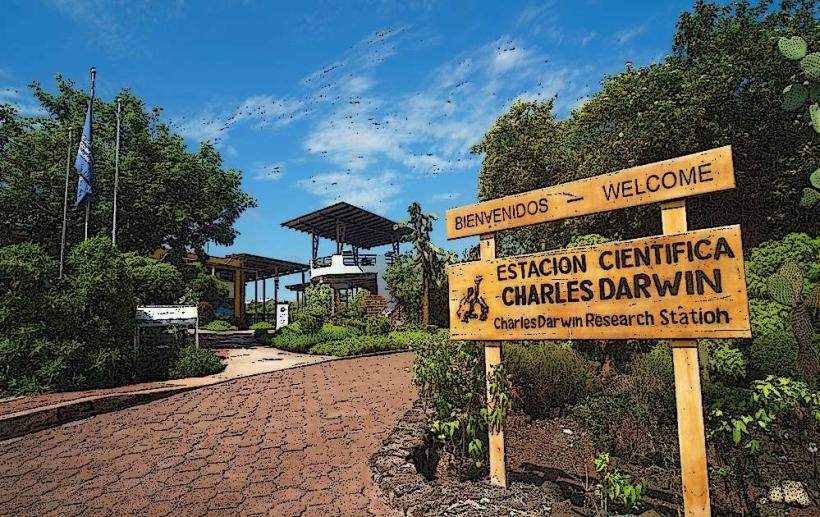
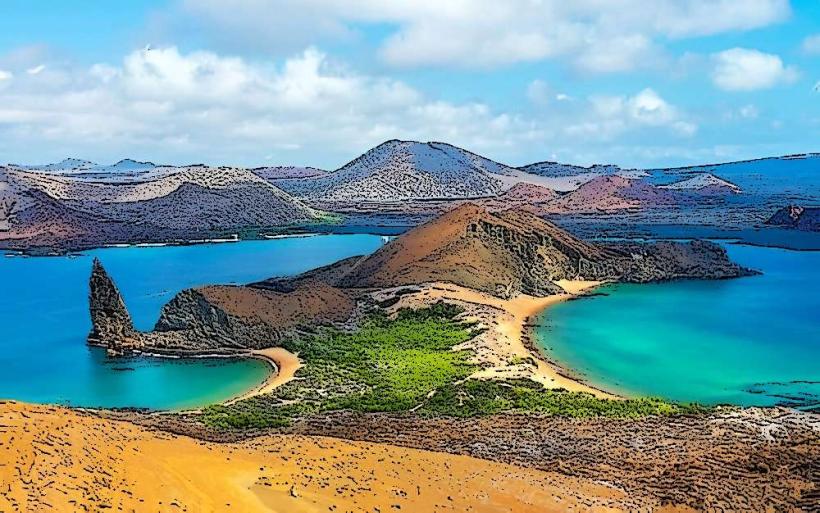
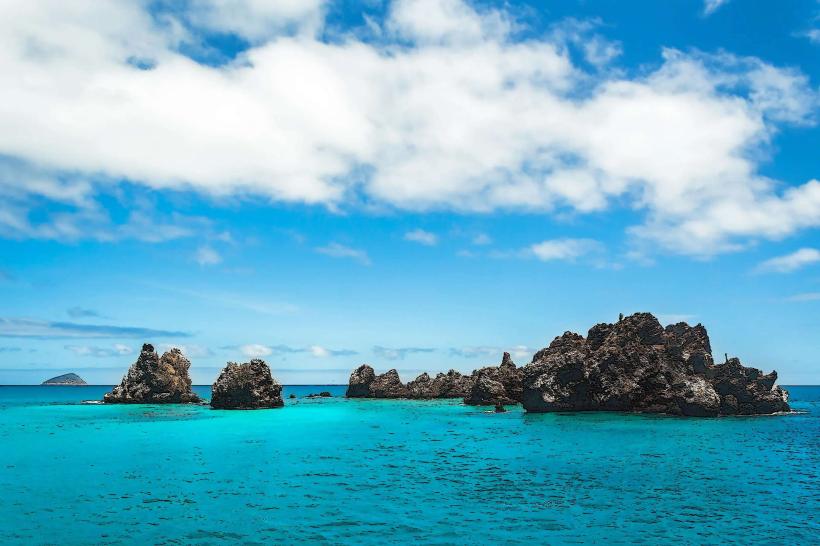
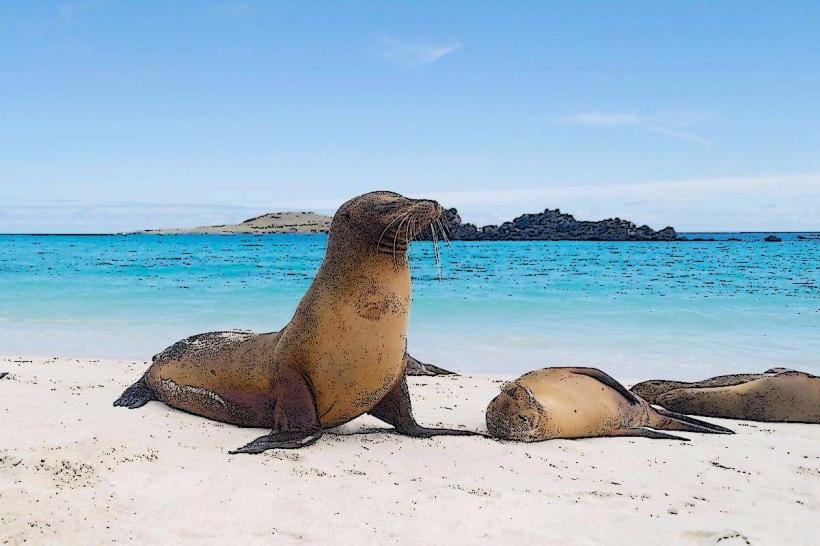
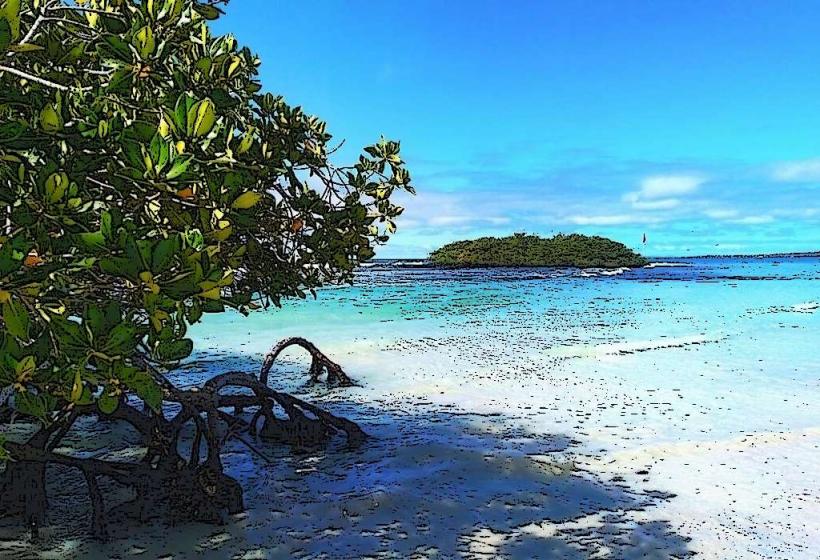
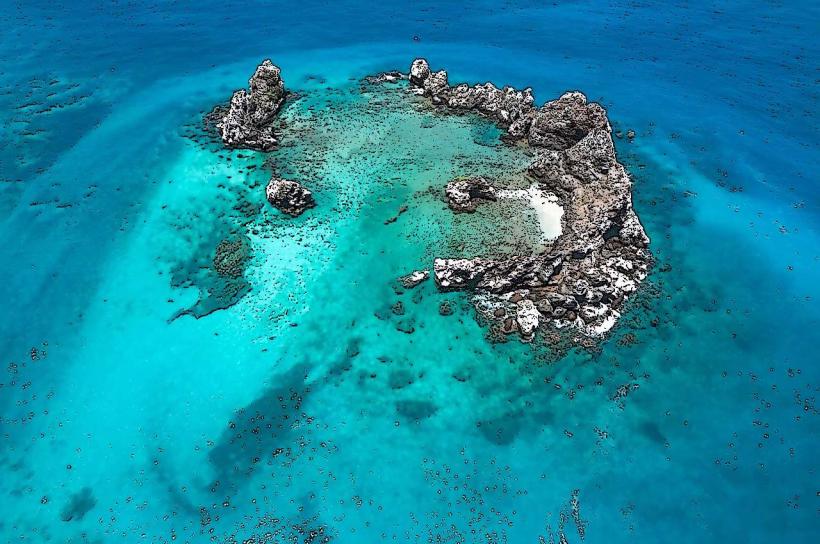
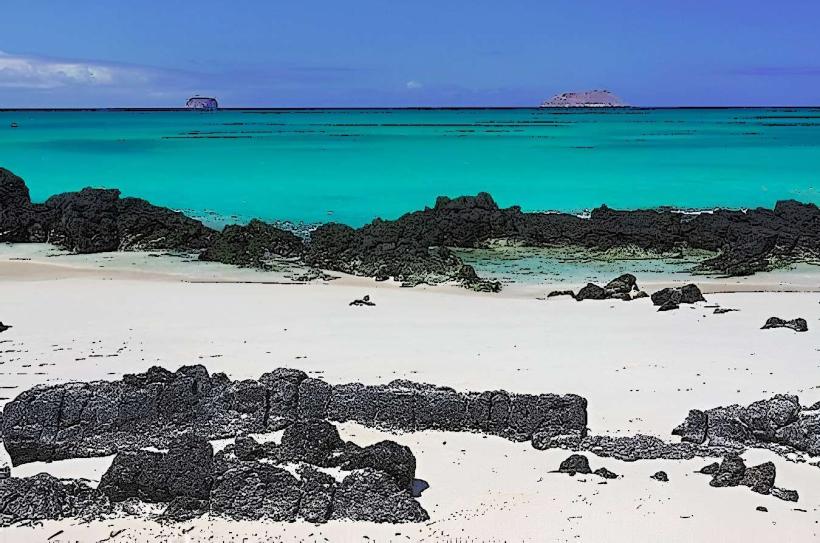
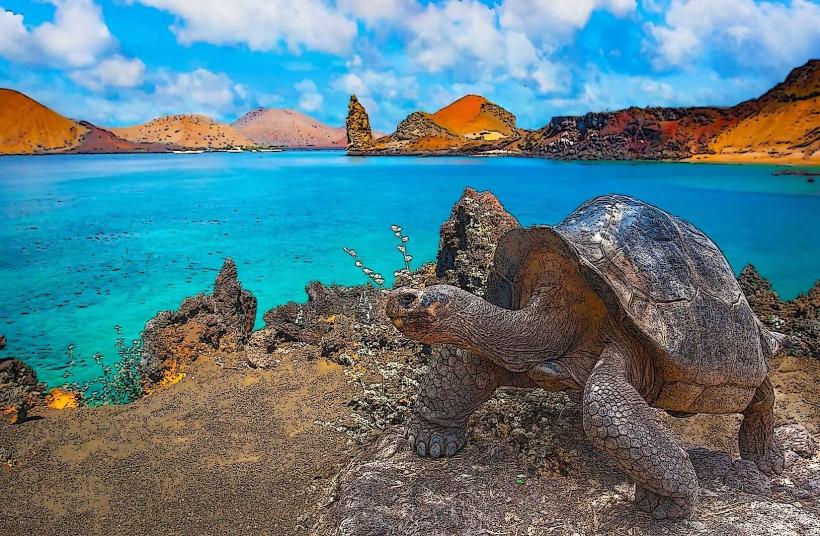
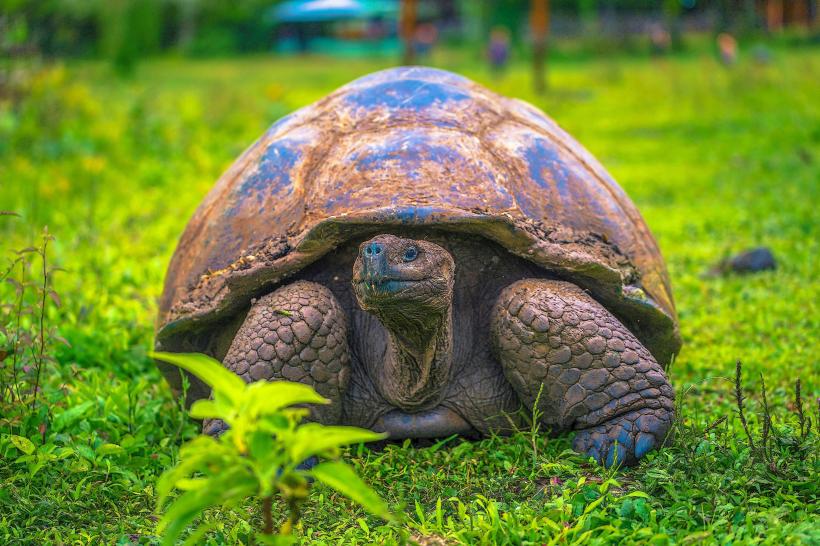
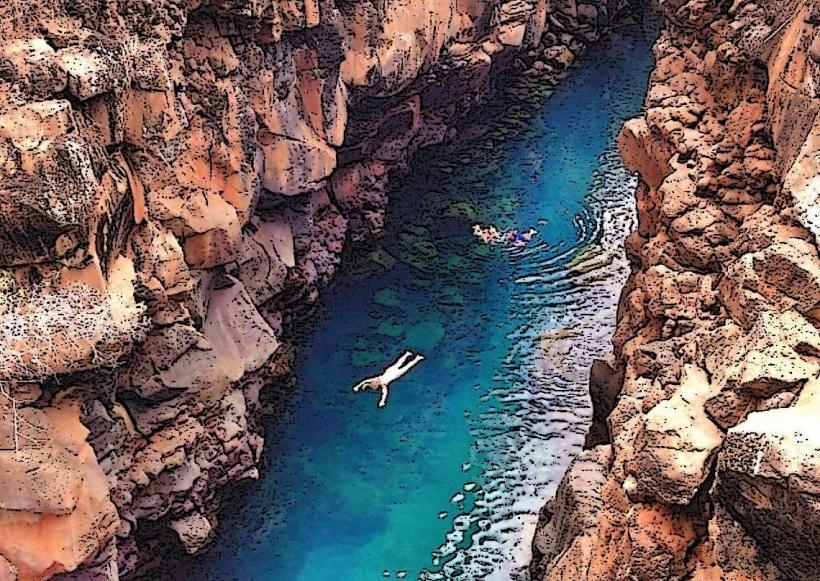
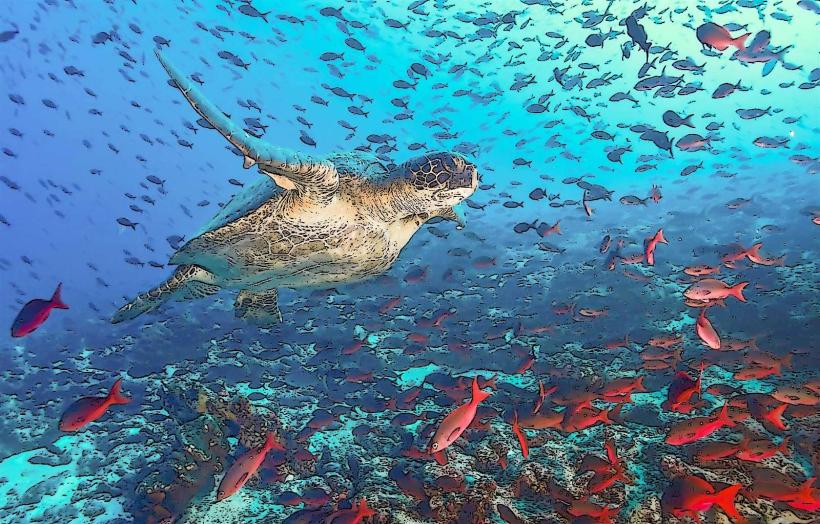
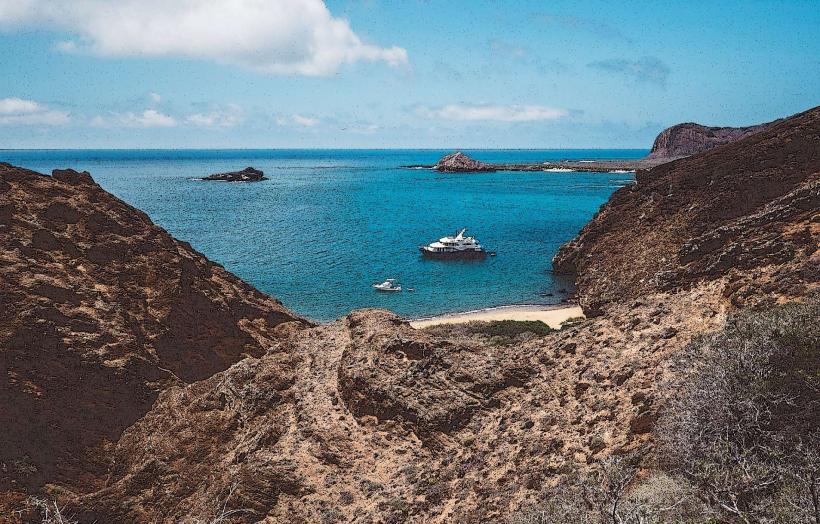
As it turns out, Isla Santa Cruz, often called the heart of the Galápagos, is one of the archipelago’s most vital and varied islands, where giant tortoises wander slowly through lush highlands, and sitting near the heart of the islands, it bustles as the main hub for tourism, conservation, and research, where boats dock and seabirds wheel overhead.Santa Cruz may be one of the most developed islands, but it still bursts with life-giant tortoises grazing in the highlands, rugged cliffs above turquoise bays, and wild stretches of untouched forest-making it a must-spot for anyone exploring the Galápagos, while santa Cruz, the second-largest island in the Galápagos, stretches across about 986 square kilometers-roughly the size of a patchwork quilt of rocky shores and green highlands.The land shifts from salty sea coasts to rolling highlands, then rises again into jagged volcanic peaks, at the same time at 864 meters-about 2,835 feet-the island’s peak rises high enough to shape its shifting climate and the variety of life that clings to its slopes.The coast feels parched, the ground cracked and dusty, dotted with cacti and scruffy low shrubs, to boot up in the highlands, the air stays cool and damp, giving rise to thick forests where ferns unfurl and moss clings to shadowy, slick stones.Honestly, Volcanic craters and winding lava tunnels offer a glimpse into the island’s past, where molten rock once roared and cooled into stone, at the same time puerto Ayora, the largest town in the Galápagos, sits on the island’s shore, where most visitors settle in for the night after days spent exploring, in some ways You’ll find modern comforts alongside vibrant local traditions, plus conservation centers where you might hear the rustle of leaves in a protected forest, after that santa Cruz teems with life-from luminous red crabs scuttling over black lava rocks to dolphins cutting through the blue waters offshore.The Galápagos teems with life found nowhere else, from shining marine iguanas to tiny finches, making it a true biodiversity hotspot, on top of that one.On Santa Cruz Island, you can spot giant Galápagos tortoises (Chelonoidis nigra) lumbering through the grass-one of the best places to witness these legendary reptiles in their natural habitat, then in the highlands, protected reserves spread across the hills, and you can spot tortoises ambling slowly through the grass.Visitors can watch these ancient creatures splash in muddy pools or tear mouthfuls of leaves from low branches, equally important number two, under certain circumstances Honestly, Marine iguanas (Amblyrhynchus cristatus) often sprawl across sun-warmed rocks along the shore, soaking in the heat after a swim, while their shadowy coloring soaks up the sun’s warmth, and they slip through the water with the ease of an otter.Three, as a result on Santa Cruz Island, you’ll find several species of Darwin’s finches, their tiny beaks shaped in ways that helped spark Charles Darwin’s theory of evolution.Miniature birds shaped their beaks to match what they ate-thin and sharp for insects, stout for cracking seeds-showing natural selection at work, as a result number four sits there, plain and unassuming, like a neat black mark on white paper, more or less You’ll often spot Galápagos sea lions (Zalophus wollebaeki) sprawled across sun‑warmed docks or sandy beaches, their curious eyes and easy charm making them some of the island’s most endearing residents, as well as they’re playful and curious, gliding right up to snorkelers and swimmers, sometimes close enough you can discover the sunlight ripple across their backs, mildly Actually, Five, in turn blue-footed boobies, often seen alongside soaring frigatebirds, are known for their vivid sky-blue feet and the quirky, high-stepping dance they perform to attract a mate.Frigatebirds stretch out massive wings, and during courtship, the males puff up vivid red throat pouches that glow like lanterns in the sun to draw a mate’s eye, and top sights and activities to try, from lively street markets to quiet garden paths.It appears, Just outside Puerto Ayora, the Charles Darwin Research Station stands as one of the Galápagos’ most significant conservation hubs, where giant tortoises lumber slowly through the sunlit enclosures, furthermore it’s vital in safeguarding Galápagos tortoises and helping them breed, from shielding hatchlings to guiding them toward the warm sand where they lay their eggs.It seems, You can explore exhibits on the island’s ecology, watch tiny tortoises shuffle in their pen, and learn how conservation programs protect this unique setting, likewise number two.Tortuga Bay is one of the Galápagos’ most stunning beaches, where soft white sand meets clear turquoise water that glitters in the sun, in addition you can dive in for a swim, paddle a kayak across the clear water, or simply lounge on the warm sand, watching marine iguanas, sea turtles, and vivid seabirds go about their day.Farther down the trail, a second beach waits, its glassy water inviting you to slip on a mask and snorkel among darting, silver fish, simultaneously three.Los Gemelos, or the Twin Craters, are two vast sinkholes carved out when ancient magma chambers caved in, sitting high in the misty green highlands, also thick green forests ring the area, sheltering Darwin’s finches, short-eared owls, and flashes of vermilion flycatchers.If I’m being honest, Number four, in conjunction with el Chato Tortoise Reserve is a stretch of wild highlands where Galápagos tortoises roam freely, their shells mottled with dirt, offering a far more authentic encounter than any captive breeding center, a little Visitors can wander past the deliberate-moving tortoises, then step into cool, shadowy lava tunnels left behind by ancient eruptions, simultaneously five.Lava Tunnels - molten rock once rushed through here, carving out wide caverns and winding passages that still echo with the heat of their creation, at the same time some stretch for more than a kilometer-about 0.6 miles-drawing geology fans who can’t resist studying the layers of rock up close.Truthfully, Number six, to boot Las Grietas is a breathtaking volcanic crack where crystal-clear water shimmers in the sunlight-an inviting spot for a swim or a quiet snorkel.Where fresh and saltwater meet, the water turns crystal clear, perfect for spotting darting fish and the sharp edges of submerged rocks, equally important seven.Playa El Garrapatero is a quiet, scenic stretch of sand framed by lush mangroves, where the only sounds are waves and the rustle of leaves, along with you can spot herons gliding over the water, paddle a kayak through quiet coves, and simply relax under the shade of tall pines.The number eight, while black Turtle Cove is a quiet inlet framed by tangled mangroves, and you can only reach it by boat or by kayak gliding over the still water, fairly Young sharks, rays, and sea turtles grow here, making it a prime spot to watch them glide through the clear, shallow water, as a result santa Cruz sits ringed by some of the Galápagos’ richest marine ecosystems, where sea turtles glide through clear water over shining coral.If you’re looking for incredible underwater life, Gordon Rocks in the Galápagos tops the list, where schools of hammerhead sharks sweep past and manta rays glide like shadows in the blue, in addition devil’s Crown is a sunken volcanic crater where sparkling coral fans sway in the current, tropical fish flash past in quick bursts of color, and sea lions glide through the clear blue water.Santa Fe Island teems with life, from gliding sea turtles to stingrays stirring up sandy clouds, all set against a backdrop of dazzling marine colors, along with unlike the empty stretches of many Galápagos islands, Santa Cruz hums with life-shops spill onto cobbled streets, and neighbors greet each other in the warm evening air, relatively Puerto Ayora, the island’s main town, is lined with restaurants offering Ecuadorian and international dishes, from ceviche still cool with lime to hearty pasta plates, therefore stalls and little shops spill over with handmade crafts, colorful souvenirs, and one-of-a-kind artwork.The waterfront bustles with boats rocking gently, pelicans swooping low, and sea lions barking as they edge closer to curious visitors, on top of that locals take part in eco-tourism, cast their nets for fish at dawn, and work on conservation projects, helping keep tourism sustainable and good for both the people and the wildlife.So, why make the trip to Isla Santa Cruz, at the same time in Santa Cruz, you can hike redwood trails in the morning, surf rolling waves by noon, and end the day exploring vibrant street markets.Honestly, Unlike the far-flung islands, it has cozy places to stay and quick access to essentials, yet you can still watch seabirds wheel over rugged cliffs and take in breathtaking views, not only that in Santa Cruz, you can spot giant tortoises lumbering slowly through the wild grass.Stroll along untouched white sand, then wander into rugged volcanic hills, to boot swim alongside sea turtles, glide past rays, and watch flashes of glowing tropical fish dart through the clear water.Step inside the Charles Darwin Research Station and discover how scientists are protecting wildlife, from caring for giant tortoises to restoring fragile island habitats, and savor lazy afternoons, chase a bit of adventure, and dive into the local culture-maybe taste bread still warm from the oven.Perched in a prime spot and rich with everything from sunlit beaches to lush highlands, Santa Cruz is the perfect launch point for discovering the rest of the Galápagos-an island no traveler should skip.
Author: Tourist Landmarks
Date: 2025-09-18